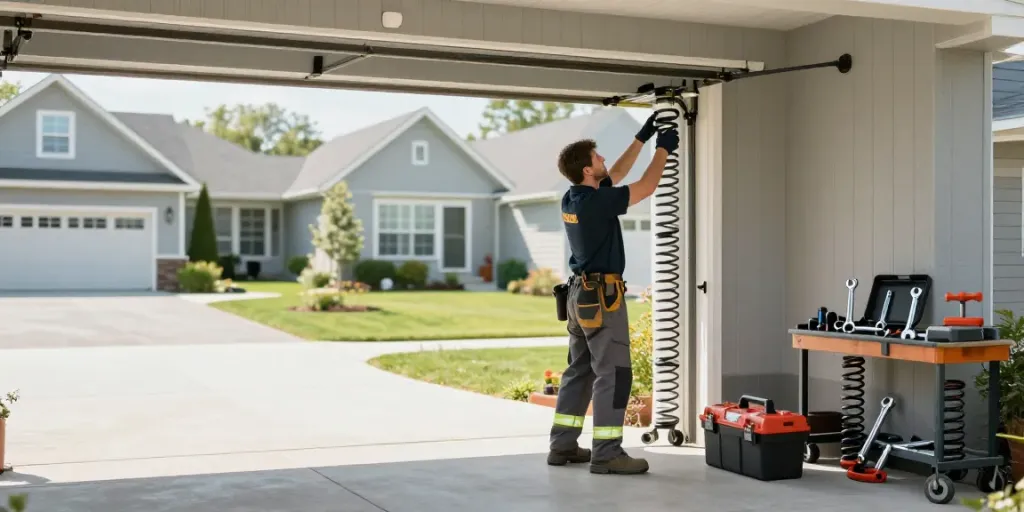
Understanding Garage Door Springs
Garage door springs are crucial components that facilitate the smooth operation of your garage door. They bear the weight of the door and ensure that it opens and closes safely and efficiently. When these springs fail, it can lead to significant inconvenience and potential safety hazards. Understanding the types of springs, their functions, and common issues can help you address problems swiftly. If you're experiencing a garage door spring broken, it's essential to know what to do next.
What Causes a Garage Door Spring to Break?
Several factors can lead to the breaking of a garage door spring, including:
- Normal Wear and Tear: Garage door springs undergo repeated stress throughout their lifespan. Eventually, they may weaken and break.
- Poor Maintenance: Neglecting regular maintenance can cause springs to deteriorate faster. Lubrication and inspections can help extend their life.
- Extreme Temperatures: Fluctuations in temperature can affect the integrity of the springs, making them brittle or overly soft.
- Improper Installation: If springs are not installed correctly, they can become misaligned and break prematurely.
Types of Garage Door Springs and Their Functions
There are two primary types of garage door springs:
- Torsion Springs: Mounted above the garage door, these springs provide most of the lifting power and are designed to wind and unwind as the door opens and closes.
- Extension Springs: Found on either side of the door, these springs stretch and contract to help lift the door. However, they are generally less durable than torsion springs.
Signs Indicating a Spring Replacement is Needed
Look out for these signs that may indicate the need for spring replacement:
- The garage door opens very slowly or not at all.
- You hear a loud noise when trying to operate the garage door.
- The door appears uneven or has a noticeable gap at one side.
- The springs are visibly worn or damaged.
Common Garage Door Spring Problems
Impact of a Broken Garage Door Spring on Functionality
A broken garage door spring can make your garage door inoperable, which can be a major inconvenience. This issue may not only disrupt your daily routine, but it can also pose security risks for your home or business. It's vital to address any spring issues promptly to avoid further damage or safety hazards.
Common Misconceptions About Garage Spring Repairs
Many homeowners believe that repairing a garage door spring is a simple DIY task. However, this is a dangerous misconception. Garage door springs bear significant tension and can cause serious injuries if mishandled. Hiring a professional ensures the repair is done safely and correctly.
How to Identify Spring Issues Early
Regular maintenance and observation are key to identifying potential spring issues before they escalate. Watch for:
- Unusual sounds such as popping or snapping noises.
- Inconsistent opening and closing behavior of the garage door.
- Visible signs of rust or wear on the springs.
Effective Solutions for Garage Door Spring Issues
Steps to Take When Your Garage Door Spring Breaks
If you discover that your garage door spring has broken, follow these immediate steps:
- Do not attempt to use the garage door; it can lead to further damage or injury.
- Disconnect the opener from the power source, if applicable.
- Contact a professional technician to inspect and replace the spring safely.
DIY Tips vs. Professional Repairs
While some may consider DIY repairs, it’s generally not advisable for spring replacements due to the risks involved. Professionals have the necessary tools, experience, and knowledge to tackle these repairs safely. Always consider the long-term safety and functionality of your garage door over short-term savings.
Emergency Measures When Springs Fail
In case of a spring failure, especially if you rely heavily on your garage door for daily use, here are emergency measures:
- Secure the garage door manually to prevent accidents.
- Utilize any emergency release features if available.
- Contact a repair service that offers emergency services for prompt assistance.
Prevention and Maintenance for Garage Door Springs
Regular Maintenance Routines to Extend Spring Life
Routine maintenance can dramatically increase the lifespan of your garage door springs. Follow these guidelines:
- Lubricate springs every few months with garage door lubricant to reduce friction.
- Check the balance of your garage door; an unbalanced door can put excess stress on the springs.
- Inspect springs regularly for signs of wear.
Best Practices for Garage Door Operation
Implementing best practices can help prevent premature wear on your garage door springs:
- Operate the garage door gently; avoid slamming it open or closed.
- Use the remote or wall control properly to avoid sudden movements.
- Keep the area around the garage door clear of obstacles.
Choosing the Right Quality Springs for Longevity
Selecting high-quality springs can make a substantial difference in durability and performance. Look for:
- Springs made from high-carbon steel for better resilience.
- Products from reputable manufacturers with warranties.
- Professional installation services to ensure proper fitting.
FAQs About Garage Door Spring Issues
What to Do if a Garage Door Spring Breaks?
Immediately stop using the garage door, disconnect it from its opener, and contact a professional technician for repair.
How Much Should it Cost to Replace a Broken Garage Door Spring?
Replacement costs can vary based on the type of spring and labor charges, but typically range from $150 to $300.
Can I Continue Using My Garage Door if One Spring is Broken?
It is not advisable to use your garage door with a broken spring, as it can lead to further damage and potential safety risks.
Is it Safe to Fix My Garage Door Spring Myself?
Due to the tension in springs, it is dangerous to attempt DIY repairs. It's best to hire a professional.
How Often Should Garage Door Springs be Inspected?
It's recommended to inspect your garage door springs at least twice a year as part of routine maintenance.