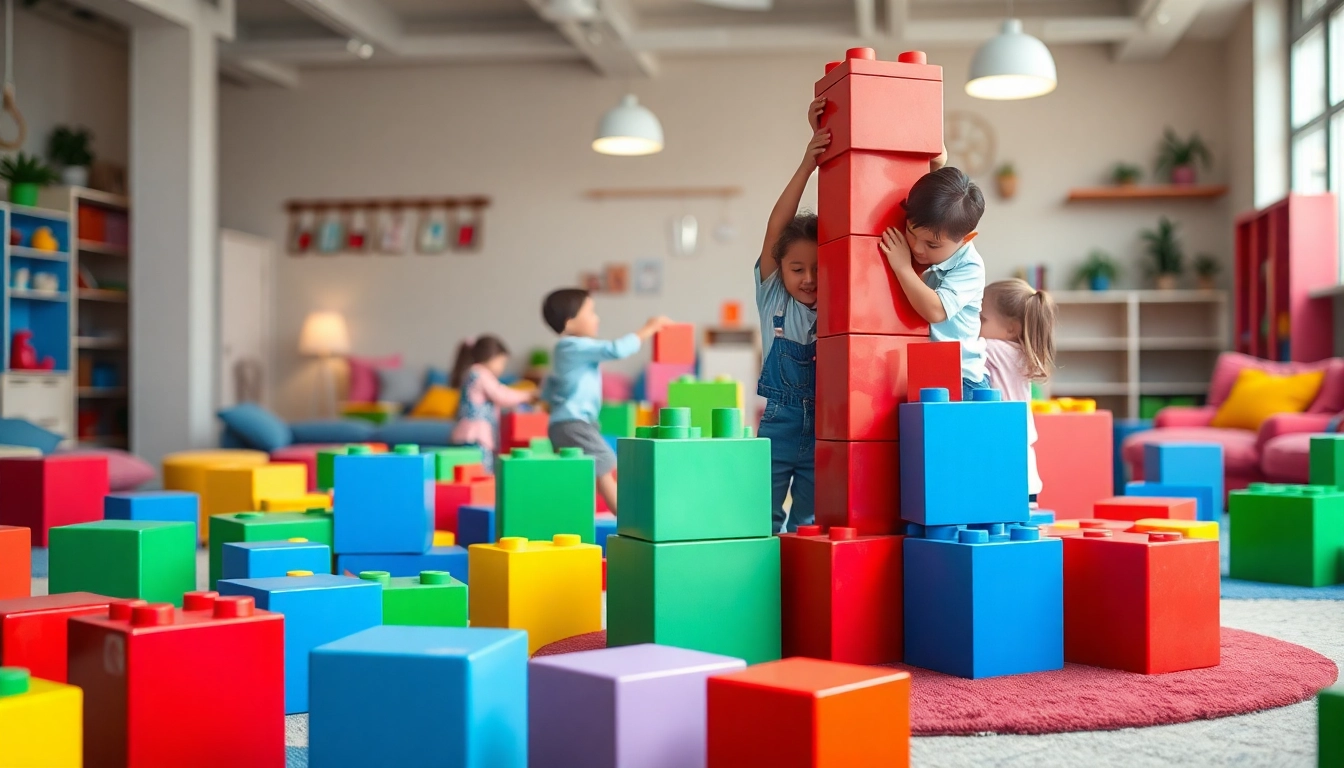
Introduction to Giant Building Blocks
Giant building blocks have become a popular choice for children’s play areas, offering a dynamic and engaging way for kids to use their creativity and imagination. These oversized blocks provide an open-ended approach to building, encouraging children to construct their own worlds, whether they are assembling grand structures or simply stacking with friends. With their versatility, giant building blocks allow for a multitude of activities that blend fun and education, promoting cognitive and physical development in a playful environment. If you're looking for a comprehensive guide on how these blocks can transform playtime, discover more about how to integrate them into your child’s daily routine.
What are Giant Building Blocks?
Giant building blocks are large, lightweight foam or plastic building pieces typically designed for young children. Unlike traditional LEGO or standard building toys, these oversized blocks come in various shapes, colors, and sizes, allowing for creative expression without the constraints of smaller parts. They are designed to be safe for children, ensuring that the blocks are both easy to handle and sturdy enough to withstand the rigors of active play. The tactile nature of giant blocks helps children develop fine motor skills and spatial awareness while having a blast.
Benefits of Using Large Blocks for Play
The benefits of using giant building blocks extend beyond mere entertainment. Here are some intriguing advantages:
- Encourages Creativity: Kids can build anything from simple towers to complex castles, sparking their imagination.
- Physical Development: Manipulating large blocks helps improve gross motor skills and coordination as children lift, stack, and balance.
- Social Skills: Group play fosters teamwork, sharing, and communication among peers.
- Cognitive Growth: Planning and constructing structures enhances problem-solving and critical thinking skills.
Safety Considerations for Kids
Safety should always be a priority when children are playing with giant blocks. Here are some considerations to keep in mind:
- Ensure that blocks are made from non-toxic, durable materials.
- Supervise children during play to prevent roughhousing that could lead to accidents.
- Check the play area for any hazards that could cause injury.
- Encourage safe play practices, such as not climbing on unstable structures.
Designing an Indoor Play Space
Choosing the Right Location
The right location is essential for an effective indoor play space. Look for a large, open area, such as a living room or playroom, where children have ample space to build, explore, and interact. Avoid crowded areas or places filled with fragile items. Additionally, ensure there is enough natural or artificial light, as a well-lit area not only improves visibility but also enhances the overall mood of playtime.
Essential Equipment for an Engaging Space
To maximize the potential of giant building blocks, consider integrating additional equipment that facilitates an engaging play experience:
- Padded Mat: A soft landing area reduces the risk of injury from falls.
- Storage Solutions: Use bins or shelves to neatly organize blocks when playtime ends.
- Interactive Elements: Adding items such as mirrors or art supplies can stimulate creativity further.
Creative Layout Ideas
The layout of the play area can significantly impact how kids use giant building blocks. Here are a few creative ideas:
- Construction Zone: Designate a specific area with a variety of blocks for children to build freely.
- Theme-based Zones: Set up different sections with themes, such as a 'castle' area with towers and moats or a 'space' area with rocket shapes.
- Community Building: Encourage children to collaborate on building larger projects, such as a neighborhood or city.
Engaging Activities with Giant Building Blocks
Collaborative Building Games
Collaborative games are an excellent way for children to bond while playing with giant building blocks. Here are a few game ideas:
- Team Tower Challenge: Split into teams and see which group can build the tallest tower within a time limit.
- Create a City: Work together to design and construct a mini city complete with buildings, roads, and parks.
- Obstacle Course: Use blocks to create obstacles and challenges for kids to navigate through.
Themed Building Challenges
Themed challenges can stimulate creativity and provide direction for play. Consider setting prompt-based activities such as:
- Animal Homes: Ask the kids to build habitats for different animals and then discuss why those structures would suit those animals.
- Historical Structures: Challenge them to recreate famous buildings from history, sparking discussions about architecture and culture.
- Fantasy Worlds: Encourage kids to use their imagination to create mythical landforms in line with fantasy stories.
Story Time Integration with Structures
Incorporating storytelling into building activities enhances both literacy and imaginative play. Here’s how:
- Structure-Based Stories: Build a structure and then create a story around it, encouraging creativity and narrative development.
- Reading Corner: Designate a reading space with blocks for storytelling sessions, making the stories come to life.
- Storytelling Circles: Form a circle where kids take turns adding to a story that evolves as they add to their block creations.
Enhancing Learning Through Play
Developing Motor Skills and Coordination
Playing with giant blocks inherently promotes physical development. Lifting, stacking, and balancing requires coordination and fine motor skills. Engaging with different shapes and sizes allows children to experiment with weight distribution and stability, further enhancing their spatial awareness.
Encouraging Problem-Solving Skills
Building with giant blocks often presents challenges that require creative problem-solving. For example, kids must strategize how to balance blocks at different heights or how to connect various pieces effectively. This trial-and-error approach helps foster resilience and critical thinking.
Promoting Social Interactions Among Kids
Collaborative play with giant blocks can significantly enhance social skills. Sharing resources, negotiating designs, and collaborating on projects fosters teamwork and communication. These interactions help children develop empathy and an understanding of the value of working with others towards a common goal.
Frequently Asked Questions
What age group are giant building blocks suitable for?
Giant building blocks are typically suitable for children aged 2 and up, adapting to various developmental stages as they grow.
How can I maintain safety during playtime?
Ensure supervision, use non-toxic materials, and designate a safe play area free of hazards to maintain a secure environment.
What creative activities can we do with giant blocks?
Activities include team-building challenges, themed creations, obstacle courses, and integrating storytelling for enhanced engagement.
How can these blocks enhance learning?
They foster motor skills, problem-solving abilities, creativity, social interaction, and cognitive development, enriching the learning experience.
Are there any storage solutions for these blocks?
Utilizing bins, shelves, or storage carts can keep blocks organized and accessible, enabling easy clean-up and maintaining order.