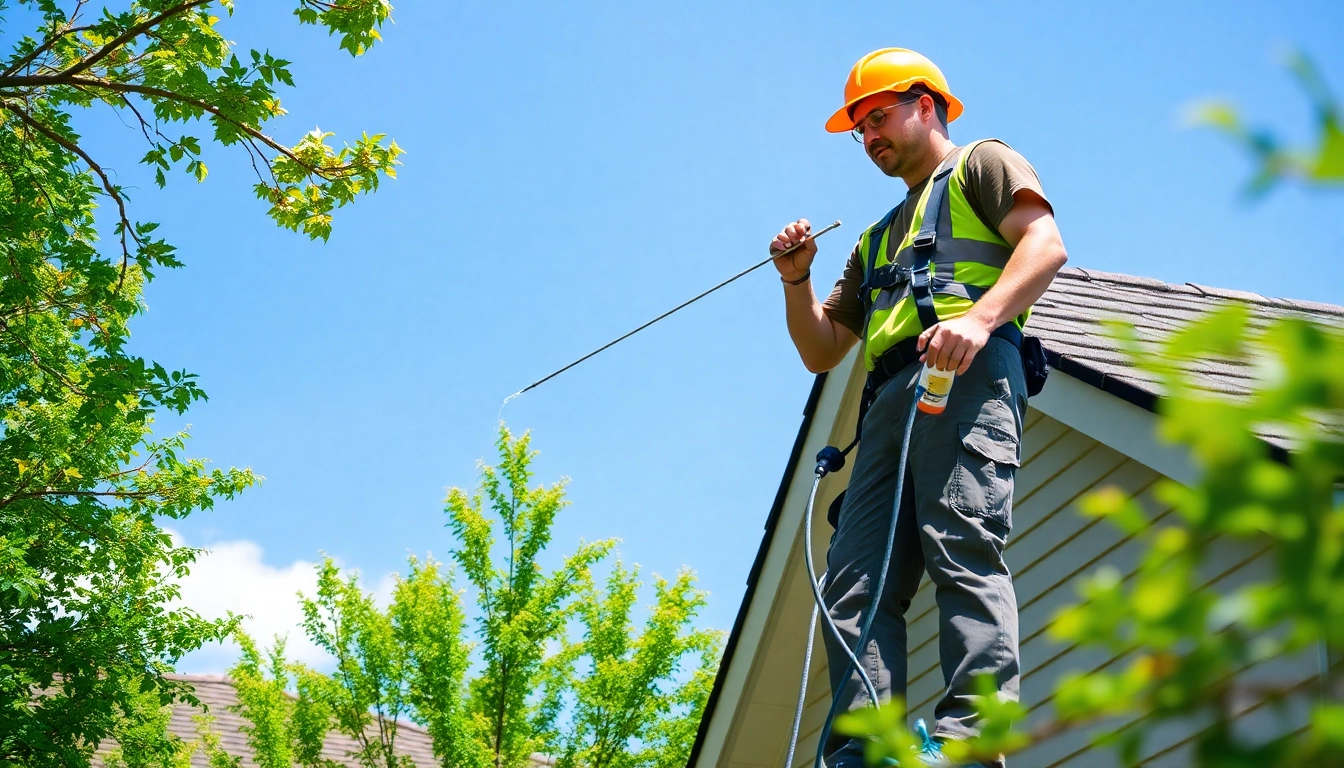
Understanding Roof Cleaning
What is Roof Cleaning?
Roof cleaning refers to the practice of removing dirt, debris, moss, algae, and other contaminants from the surface of a roof. This process not only enhances the aesthetic appeal of your home but also prolongs the life of your roofing materials. Regular maintenance through roof cleaning can significantly reduce repair costs associated with roof degradation and promote better energy efficiency within your home.
Importance of Regular Roof Cleaning
Maintaining a clean roof is vital for several reasons. Firstly, organic growth such as moss and algae can trap moisture, leading to roof rot and deterioration over time. A clean roof also improves energy efficiency, as accumulated debris can hinder proper insulation and ventilation. Furthermore, potential buyers often perceive a well-maintained roof as a sign of a well-cared-for home, which can positively impact property value. Thus, Roof Cleaning is not merely an aesthetic task; it is an investment in your property’s integrity and value.
Common Roof Cleaning Methods
There are various methods employed in roof cleaning, each catering to different types of roofs and levels of contamination.
- Pressure Washing: Utilizing high-pressure water jets, this method is effective in removing tough stains and debris. However, it can damage shingles if not applied with caution.
- Soft Washing: This method uses a low-pressure spray combined with special cleaning solutions. It is gentle on roofing materials and effectively eliminates algae and stains without causing harm.
- Chemical Cleaning: Involves the use of chemicals to break down and wash away contaminants. It’s particularly effective for mold and algae but requires careful handling to avoid environmental harm.
- Hand Scraping: Ideal for small areas or particularly stubborn stains, this method involves manually scraping off debris and growths, which can be time-consuming but effective.
Choosing the Right Roof Cleaning Method
Soft Washing vs. Pressure Washing
Understanding the difference between soft washing and pressure washing is crucial. While pressure washing can provide immediate results, it can also lead to damage, particularly on delicate roofs. In contrast, soft washing is a safer alternative that employs chemical solutions combined with lower pressure to achieve a thorough clean without tarnishing roofing materials. For most roof types, particularly asphalt shingles and tile, soft washing is the preferred method. It ensures a longer-lasting clean and protects the roof's integrity.
Factors Influencing Method Selection
When selecting a roof cleaning method, several factors should be considered:
- Type of Roofing Material: Different materials require different cleaning approaches. For instance, metal roofs can handle higher pressure compared to conventional shingles.
- Amount of Contamination: Heavily stained roofs may necessitate a more aggressive approach while roofs with mere surface dust could benefit from a soft wash.
- Environmental Impact: Consideration of local regulations regarding chemical usage is essential to ensure eco-friendliness.
- Personal Safety: The condition of the roof must be assessed; if it’s too steep or unsafe, hiring professionals would be advisable.
When to Seek Professional Help
While some homeowners might be tempted to tackle roof cleaning on their own, there are situations when professional assistance is warranted. If the roof is steep, has considerable height, or is made from fragile materials, an expert is better equipped to handle the cleaning process safely. Additionally, professionals have access to high-quality materials and advanced methods that can ensure a thorough and efficient clean. Furthermore, professionals can identify other potential issues that might need attention.
Preparing for Roof Cleaning
Assessing Your Roof's Condition
Before the cleaning process begins, it’s critical to conduct a thorough assessment of the roof's condition. Look for signs of damage, such as cracked or missing shingles, rusted metal, or excessive moss accumulation. Consider the age of the roof—older roofs may require more delicate handling. Taking photographs before cleaning can also help document any pre-existing issues for future reference.
Essential Safety Precautions
Safety should always be a priority during roof cleaning. Ensure that you have the right personal protective equipment (PPE), such as gloves, goggles, and non-slip footwear. Additionally, using ladders safely and ensuring they are stable is crucial. If employing chemicals, read safety data sheets and follow all usage instructions. For those uncomfortable with heights, it’s best to leave the job to professionals.
Gathering Required Equipment
Depending on the chosen cleaning method, specific equipment will be needed. If using soft washing, ensure that you have the proper detergent, a low-pressure sprayer, and a garden hose. For pressure washing, rent a pressure washer that has adjustable settings to switch between high and low pressure. Additionally, have a brush for manual scrubbing and tarps to protect surrounding areas from drips and runoff.
Costs Associated with Roof Cleaning
Average Roof Cleaning Prices
The cost of roof cleaning can vary significantly based on several factors, including the roof size, the method used, and the level of contamination. On average, homeowners can expect to pay between $300 and $800. However, larger homes or more challenging jobs can push costs up to $1,500 or more. It’s advisable to obtain multiple quotes from contractors to ensure a fair price.
Factors Affecting Cost Estimates
Cost estimates for roof cleaning can be influenced by numerous factors:
- Roof Size: Larger roofs require more time and resources to clean.
- Roof Type: Certain roofing materials might require specialized methods that could increase costs.
- Condition of Roof: Heavily soiled roofs might necessitate more intensive cleaning, raising the price.
- Location: Costs can vary based on geographic location and local labor rates.
Value for Money: Is It Worth the Investment?
Investing in roof cleaning is generally worthwhile when considering the long-term benefits. A clean roof can extend its lifespan, improve curb appeal, and reduce potential repair costs. Regular maintenance can prevent more costly repairs down the line and enhance energy efficiency. The initial costs often pay off in the form of increased property value and aesthetic appeal.
Frequently Asked Questions about Roof Cleaning
How often should I clean my roof?
It's advisable to clean your roof at least once every 1-3 years, depending on local environmental conditions. Areas with heavy rainfall and humidity may need more frequent attention.
Can I clean my roof myself?
Yes, you can clean your roof yourself if you’re comfortable with heights and have the right equipment. However, for safety and effectiveness, professional services are often recommended.
What are the risks of not cleaning my roof?
Neglecting roof cleaning can lead to the growth of algae and moss, which trap moisture, causing roof decay, leaks, and significantly reduced lifespan of roofing materials.
What should I look for in a roof cleaning service?
When selecting a roof cleaning service, consider their experience, customer reviews, insurance coverage, and whether they use environmentally-friendly cleaning methods.
Do cleaning products harm my plants?
Certain roof cleaning chemicals can potentially harm plants if they come into contact with them. It’s crucial to cover vegetation or use eco-friendly cleaning solutions to minimize risks.
In summary, regular roof cleaning is a crucial task that not only protects your home but also enhances its beauty and value. Understanding the various methods and safety measures is essential for effective maintenance.