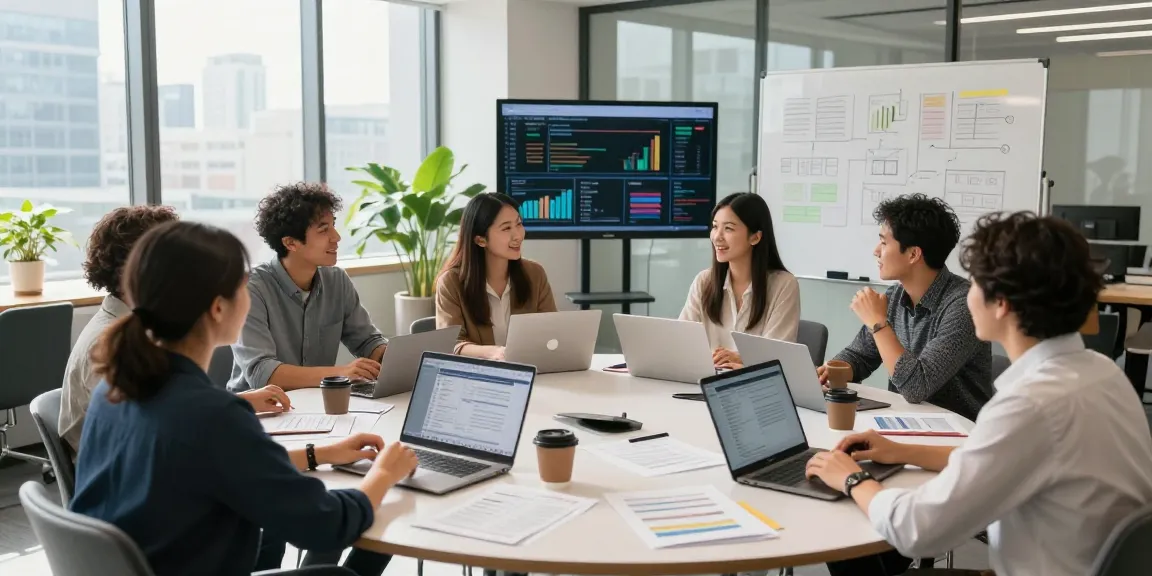
Understanding the Role of Team Collaboration in 2026
In today's rapidly evolving business landscape, the effective collaboration of teams is more crucial than ever. With the increasing complexities of projects and the diverse nature of modern workforces, organizations must prioritize team dynamics to foster innovation and achieve sustained success. The landscape of team collaboration is expected to transform significantly by 2026, driven by advancements in technology, shifts in workplace culture, and the continuous quest for enhanced efficiency.
When exploring options, https://www.bdtjl.app/ provides comprehensive insights into effective collaboration strategies that can empower teams to thrive in this future-oriented environment.
Why Collaboration Matters for Modern Businesses
Collaboration is essential for modern businesses for several reasons. First, it enhances creativity and innovation by bringing together diverse perspectives and expertise. When team members collaborate, they can leverage each other's strengths, leading to innovative solutions and improved problem-solving capabilities.
Furthermore, collaboration increases efficiency by streamlining workflows and reducing redundancy. Teams that work well together can coordinate tasks more effectively, minimize misunderstandings, and deliver results faster. It also decreases employee turnover rates, as individuals who feel connected to their teams are generally more satisfied and engaged in their work.
Identifying Common Challenges in Team Dynamics
While the benefits of team collaboration are significant, several challenges can hinder its effectiveness. Common obstacles include communication breakdowns, conflicting personalities, and lack of clarity in roles and responsibilities. These issues can lead to misunderstandings, decreased morale, and ultimately, lowered productivity levels.
Another significant barrier is the presence of remote teams, which can complicate communication and create feelings of isolation among team members. Organizations must address these challenges to create a thriving collaborative environment.
Key Trends Impacting Collaborative Workspaces
Several trends are shaping the future of collaborative workspaces. The rise of hybrid work models, where employees split their time between remote and in-office work, is one such trend. This model necessitates the use of advanced collaboration tools to ensure seamless interactions, regardless of physical location.
Moreover, the increasing emphasis on employee well-being has led organizations to design workspaces that promote collaboration and comfort, fostering a culture of teamwork. Companies are now prioritizing flexible spaces that accommodate both collaborative and individual work.
Best Practices for Enhancing Team Collaboration
To maximize the benefits of team collaboration, organizations can adopt several best practices that promote effective teamwork.
Implementing Effective Communication Tools
Effective communication is the cornerstone of collaboration. Utilizing advanced communication tools such as instant messaging platforms, video conferencing, and project management software can enhance real-time collaboration and ensure that all team members are on the same page.
These tools not only facilitate communication but also provide a centralized location for project updates, reducing the risk of information silos.
Creating a Supportive and Inclusive Culture
A supportive and inclusive culture is vital for fostering collaboration. Organizations should actively encourage team members to voice their ideas and opinions, creating an environment where everyone feels valued. Implementing regular team-building activities can enhance relationships and trust among team members, further promoting collaboration.
Utilizing Technology to Boost Collaboration
Leveraging technology is essential for enhancing team collaboration. Tools that facilitate collaboration, such as cloud-based file sharing and collaborative document editing, allow team members to work together seamlessly, regardless of their location. Furthermore, using analytics tools can provide insights into team dynamics and highlight areas for improvement, enabling organizations to make data-driven decisions.
Real-World Examples of Successful Team Collaboration
Examining real-world examples can provide valuable insights into effective collaboration strategies.
Case Study: Innovation Through Collaboration
One notable example is the collaboration between various tech companies during the development of COVID-19 vaccines. By pooling resources and expertise, these organizations accelerated the vaccine development process, showcasing how collective efforts can lead to groundbreaking innovations.
Lessons Learned from Leading Companies
Leading companies like Google and Microsoft have embraced collaboration as a core component of their culture. Google’s use of open office spaces and collaborative tools allows employees to share ideas freely, while Microsoft’s Teams platform integrates various applications to enhance productivity and teamwork.
Evaluating Collaboration Strategies in Action
Organizations should continuously evaluate their collaboration strategies to ensure they meet the evolving needs of their teams. Regular feedback sessions and performance metrics can provide insights into the effectiveness of current practices and highlight areas for improvement.
Measuring the Success of Collaborative Efforts
Evaluating the effectiveness of collaboration initiatives is crucial to understanding their impact on overall productivity and employee engagement.
Defining Key Performance Indicators (KPIs)
Establishing clear KPIs can help organizations measure the success of their collaboration efforts. Metrics such as project completion rates, employee satisfaction scores, and the number of innovative ideas generated can provide valuable insights into team performance.
Methods for Assessing Team Collaboration
Employing various methods to assess team collaboration can yield a comprehensive understanding of effectiveness. Surveys, 360-degree feedback, and regular check-ins can facilitate open discussions about team dynamics and collaboration practices.
Tools to Monitor Engagement and Output
Utilizing digital tools to monitor team engagement and output can provide ongoing insights into collaboration effectiveness. Platforms that track project progress and team interactions can help identify patterns and areas needing attention.
Future Predictions for Team Collaboration
As we look ahead, several predictions can be made regarding the future of team collaboration.
Emerging Technologies Shaping the Workplace
The future workplace will likely be shaped by emerging technologies such as artificial intelligence and machine learning. These technologies can automate mundane tasks, allowing teams to focus more on strategic collaboration and innovative problem-solving.
Workplace Flexibility and Its Impact on Collaboration
Workplace flexibility is expected to continue to influence team dynamics significantly. As more organizations adopt hybrid models, the ability to collaborate seamlessly across various environments will become increasingly important, necessitating robust technological solutions.
The Evolution of Team Structures in 2026
By 2026, we may see a shift in team structures, with organizations moving towards more fluid and dynamic teams. This evolution will require a renewed focus on adaptability and open communication, allowing teams to rapidly respond to changing demands and priorities.
What are the key benefits of team collaboration?
The key benefits of team collaboration include enhanced creativity, increased efficiency, improved employee satisfaction, and the ability to leverage diverse skill sets for innovative solutions.
How can technology improve team collaboration?
Technology can significantly improve team collaboration by providing tools for real-time communication, project management, and data sharing, thereby facilitating seamless interactions and boosting overall productivity.
What challenges do teams face in collaborative efforts?
Teams often face challenges such as communication breakdowns, personality conflicts, and unclear roles, which can hinder effective collaboration and lead to decreased morale.
How to measure the effectiveness of team collaboration?
Effectiveness can be measured by defining KPIs, employing feedback mechanisms, and utilizing digital tools that monitor engagement and output, providing insights into team dynamics and performance.
What are future trends in team dynamics?
Future trends in team dynamics will likely include increased workplace flexibility, the integration of advanced technologies, and fluid team structures that adapt to organizational needs.. Additionally, bdtjl.app provides further details.