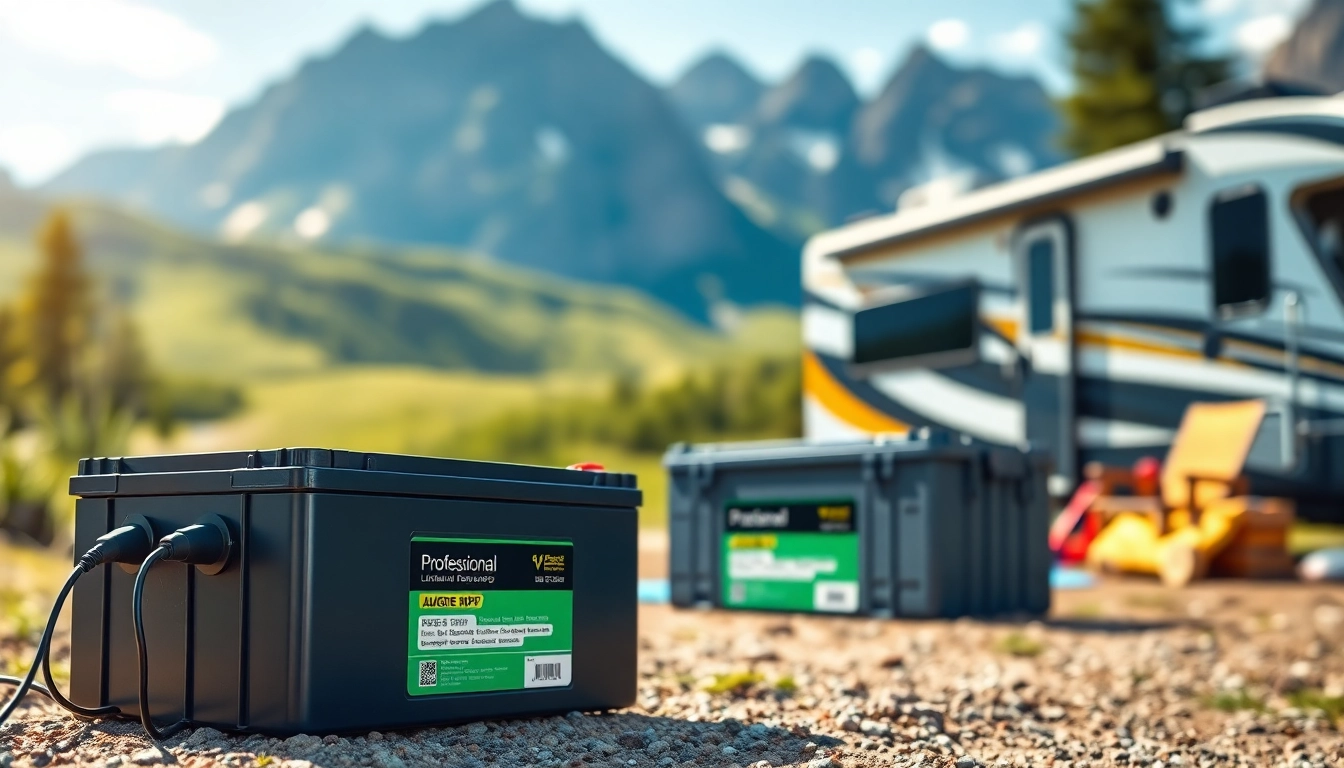
Introduction to Lithium RV Batteries
When it comes to powering your recreational vehicle (RV), the choice of battery can significantly impact your travel experiences. Among the different types of batteries available, lithium RV batteries have gained immense popularity due to their reliability and performance. These batteries are particularly suited for the unique demands of RVing, where power management and efficiency are paramount.
What are Lithium RV Batteries?
Lithium RV batteries are rechargeable batteries made using lithium-ion technology. They are typically designed for deep cycle applications, which means they can be discharged and recharged many times without significant performance degradation. The most common type of lithium battery used in RVs is the lithium iron phosphate (LiFePO4) battery, known for its stability, safety, and longevity.
Benefits of Using Lithium RV Batteries
- Longer Lifespan: Lithium RV batteries can last up to 10 years or more compared to lead-acid batteries which generally last around 3-5 years.
- Higher Depth of Discharge: They allow for a deeper discharge, typically up to 80-90%, without damaging the battery, giving you more usable power.
- Lightweight: Lithium batteries are significantly lighter than lead-acid batteries, aiding in overall vehicle efficiency.
- Faster Charging: They charge faster than traditional battery types, enabling quicker turnarounds on your journeys.
- Safety: Lithium RV batteries are less prone to leaking and venting harmful gases, making them safer for use in enclosed spaces.
How Lithium RV Batteries Compare to Traditional Batteries
The primary competitor to lithium batteries in the RV space is lead-acid batteries. While lead-acid batteries are often cheaper to purchase initially, they have several disadvantages:
- Shorter lifespan: As mentioned earlier, lead-acid batteries generally only last a fraction of the time that lithium batteries can.
- Limited depth of discharge: Discharging lead-acid batteries below 50% can shorten their lifespan, whereas lithium batteries can be discharged much deeper.
- Weight: A lead-acid battery can often weigh twice or even three times as much as a lithium battery with the same capacity.
- Maintenance: Lead-acid batteries require regular maintenance to function optimally, including periodic topping off with distilled water, while lithium batteries are largely maintenance-free.
Choosing the Right Lithium RV Batteries
When selecting a lithium battery for your RV, it is crucial to understand various performance metrics and specifications to ensure that the battery meets your needs.
Understanding Battery Specifications
Key specifications to look for include:
- Voltage: Common voltages for RV batteries are 12V, 24V, and 48V. Choosing the right voltage ensures compatibility with your RV's electrical system.
- Capacity: Measured in Amp-hours (Ah), capacity affects how long a battery can run appliances on a single charge. Higher capacity is essential for extended trips.
- Discharge rate: Most lithium batteries allow consistent power output. Pay attention to the Maximum Continuous Discharge Rate to understand the capacity during high-demand situations.
- Weight: As discussed, weight affects your vehicle's overall efficiency and handling.
Selecting the Right Capacity for Your Needs
Determining the right capacity requires understanding your power usage. Calculate the power requirements of all devices you plan to use in your RV, including lights, refrigeration, and entertainment systems. This can help you decide whether a 100Ah, 200Ah, or even larger battery setup is appropriate.
Top Features to Look For
In addition to capacity and voltage, consider features such as:
- Built-in Battery Management Systems (BMS): These systems help prevent overcharging, over-discharging, and temperature issues.
- Bluetooth monitoring: Enables real-time data tracking through your smartphone for enhanced management.
- Fast charging capabilities: Essential for convenience, especially on shorter trips.
Installation and Maintenance Tips
Ensuring that Vatrer Power lithium RV batteries are correctly installed and maintained is vital for maximizing their performance and lifespan.
How to Install Lithium RV Batteries Safely
Follow these steps for safe installation:
- Turn off all power systems in your RV before starting.
- Ensure compatibility with your RV's system, looking at voltage and amp ratings.
- Connect the positive cables first, followed by negative connections to avoid short circuits.
- Secure the batteries firmly in place to prevent movement while driving.
- Test the connections and polarity before powering up your systems.
Maintenance Best Practices
Although lithium batteries require less maintenance than traditional batteries, a few best practices can ensure longevity:
- Regularly monitor battery voltage and charge levels.
- Keep the battery clean and dry to prevent corrosion on terminals.
- Store batteries in a temperature-controlled environment when not in use.
Troubleshooting Common Issues
Here are some common issues and their solutions:
- Battery not charging: Check connections, ensure the charger is compatible, and inspect for any fault indicators.
- Poor performance: Confirm that battery capacity meets your usage needs; it may be time for an upgrade.
- Overheating: Ensure proper ventilation and check the settings on the BMS if applicable.
Performance Insights and Usage Scenarios
Understanding how to effectively use your 12V 300Ah Lithium Battery enhances your travel experience.
Ideal Use Cases for Lithium RV Batteries
Lithium RV batteries are particularly advantageous for:\
- Off-grid camping: Extended autonomy with minimal recharging required, suitable for remote locations.
- Boondocking: Perfect for free camping areas where traditional plug-ins are unavailable.
- Long-term travel: They cater well to those who live full-time in their RVs, needing reliable power sources.
Maximizing Performance During Trips
To maximize battery performance:
- Engage in regular energy audits to monitor consumption versus capacity.
- Utilize energy-efficient appliances and LED lighting for reduced load.
- Consider solar panel integration to recharge during the day, extending overall usage time.
Real-life Performance Metrics
Real-world performance can vary based on factors like usage patterns. A 100Ah lithium battery, for instance, can typically run a 12V refrigerator for 2-3.5 days, depending on the fridge's draw and conditions. Active energy management can enhance these durations drastically.
FAQs about Lithium RV Batteries
Are lithium batteries worth it for an RV?
Yes, for frequent travelers or off-grid campers, the advantages like longer lifespan, higher usable capacity, and maintenance-free operation make them a cost-effective investment over time.
How long will a 12V fridge run on a 100Ah lithium battery?
A 100Ah lithium battery can run a 12V fridge for approximately 2 to 3.5 days, depending on the fridge's power consumption, ambient temperature, and usage habits.
What are the charging options for lithium RV batteries?
Charging options for lithium RV batteries include solar panels, AC chargers, and DC chargers from the RV’s alternator. Utilizing multiple systems allows for efficient energy management while on the go.
How do temperature extremes affect lithium RV batteries?
Extreme temperatures can impact lithium battery performance. High temperatures can heighten the risk of overheating and reduced lifespan, while extreme cold may affect charging efficiency. Proper insulation and monitoring are vital.
Can I use lithium RV batteries with solar systems?
Yes, lithium RV batteries work exceptionally well with solar systems. They charge efficiently from solar power, making them an excellent option for off-grid energy solutions for your RV.