Understanding Custom Stainless Steel Parts
Custom stainless steel parts are crucial components across a multitude of industries, leveraging stainless steel's unique properties to meet specific engineering and design needs. As businesses increasingly seek precision and durability in their manufacturing processes, the demand for these specialized parts continues to rise. This article delves into what custom stainless steel parts are, their benefits, applications, and key factors to consider during the design and manufacturing process.
What Are Custom Stainless Steel Parts?
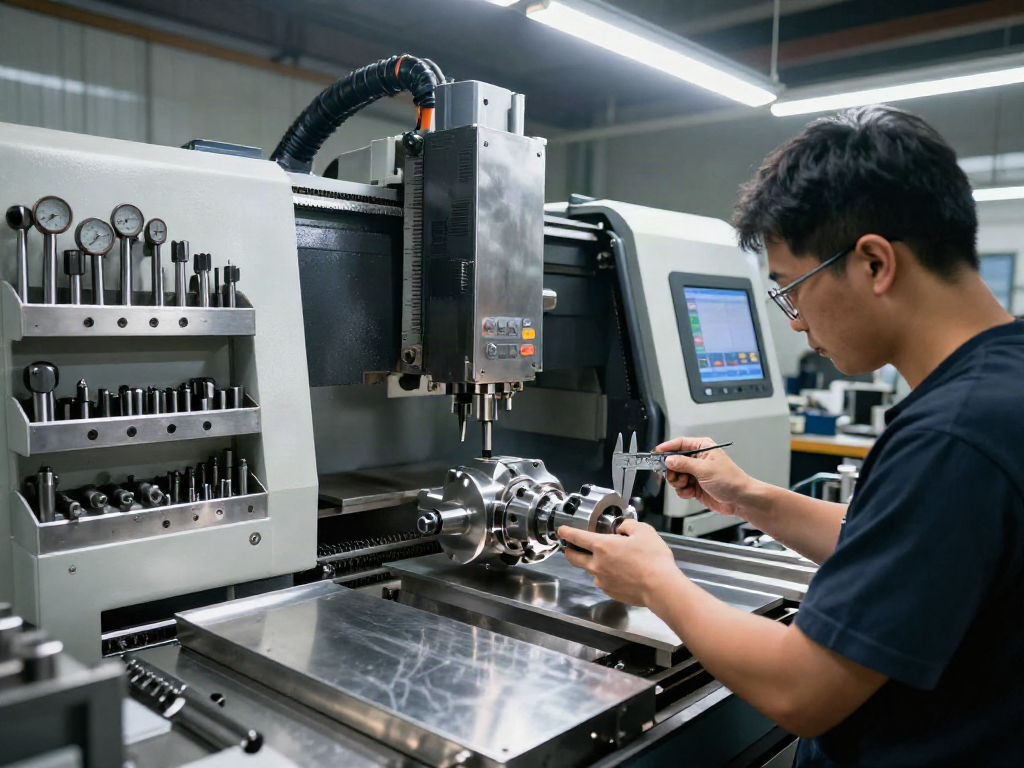
Custom stainless steel parts are tailor-made components produced from various grades of stainless steel, designed to meet specific applications and standards. These parts can be fabricated through numerous processes, including CNC machining, stamping, and laser cutting, enabling manufacturers to achieve high levels of complexity and precision in their designs. By utilizing computer-aided design (CAD) software, clients can either provide their own specifications or work alongside manufacturers to create parts that perfectly fit their operational requirements.
Benefits of Using Stainless Steel in Manufacturing
Stainless steel is a favored material in many manufacturing contexts due to its inherent advantages. Key benefits include:
- Corrosion Resistance: Stainless steel offers excellent resistance to rust and corrosion, making it ideal for use in environments exposed to moisture or chemicals.
- Durability: Parts made from stainless steel can withstand high levels of stress and strain, ensuring longevity and reducing the need for frequent replacements.
- Aesthetic Appeal: The clean, polished surface of stainless steel provides an attractive finish suitable for consumer-facing products.
- Hygienic Properties: Stainless steel is easy to clean and sanitize, making it ideal for applications in food processing and medical industries.
Common Applications and Industries Utilizing Custom Parts
Custom stainless steel parts find applications in various sectors, necessitating tailored designs to meet diverse operational challenges. Industries that heavily rely on these parts include:
- Aerospace: Custom components are used in aircraft for performance and weight optimization.
- Automotive: Stainless steel parts are critical for performance, safety, and aesthetics in vehicles.
- Medical: Precision parts are manufactured for surgical instruments and medical devices, adhering to strict regulatory standards.
- Food and Beverage: Custom stainless steel machinery and equipment are fundamental in ensuring hygiene and quality control.
When exploring options, custom stainless steel parts provide comprehensive insights into tailored manufacturing processes tailored for specific industry needs.
Key Considerations When Ordering Custom Stainless Steel Parts
Material Specifications and Grades
One of the first steps in ordering custom stainless steel parts is understanding the various grades of stainless steel available. The most common grades include:
- 304 Stainless Steel: Known for its high corrosion resistance and versatility, making it suitable for a wide range of applications.
- 316 Stainless Steel: Offers superior chemical resistance, often used in marine applications.
- 410 Stainless Steel: Provides good wear resistance and is often used in cutlery and industrial applications.
Choosing the right grade of stainless steel depends on the specific demands of the application, including exposure to harsh environments, required strength, and cost considerations.
Choosing the Right Manufacturing Process
Several manufacturing processes can be employed when creating custom stainless steel parts. Understanding the differences can help in selecting the right method:
- CNC Machining: Ideal for complex parts requiring high precision and tight tolerances.
- Laser Cutting: Best for high-speed cutting of intricate designs and prototypes.
- Stamping: Cost-effective for high-volume production of simple or repetitively shaped parts.
Selecting the appropriate manufacturing process is crucial to achieving the desired specifications and maintaining budgetary constraints.
Importance of Precision in Design and Fabrication
Precision is paramount when designing custom stainless steel parts. Even minor deviations can lead to significant performance issues, especially in high-stakes applications like aerospace or medical devices. Employing advanced CAD software and ensuring thorough prototyping can mitigate these risks and enhance the overall quality of the final product.
Challenges in Manufacturing Custom Stainless Steel Parts
Understanding Tolerances and Tolerancing Standards
Manufacturers need to have a solid grasp of tolerances—these are the allowable variations in dimensions. For custom stainless steel parts, adhering to industry tolerancing standards, such as ISO or ANSI, is critical for ensuring proper fit and function. Clarity in the specifications provided by clients is essential to mitigate errors in production.
Common Manufacturing Errors and How to Avoid Them
Despite technological advancements, manufacturing errors can still occur. Common issues include:
- Dimension Errors: Problems with measurements can lead to parts that do not fit together properly. Using precise measuring tools and double-checking specifications can help.
- Material Deficiencies: Selecting the wrong grade of stainless steel can affect performance. Ensure that the specifications are well understood and communicated.
Implementing a robust quality control process with regular audits can help identify and rectify these issues early in the production process.
Supply Chain Issues Affecting Delivery Timelines
Manufacturers of custom stainless steel parts often face challenges related to supply chain disruptions, which can delay production and delivery. Factors such as raw material shortages, logistical issues, and global market fluctuations can impact timelines. Establishing strong relationships with reliable suppliers and maintaining flexible production schedules can mitigate these risks.
Innovative Trends in Custom Stainless Steel Parts Manufacturing
Advancements in CNC Machining Technologies
Recent advancements in CNC machining technologies have dramatically enhanced the capabilities of manufacturers of custom stainless steel parts. Innovations such as multi-axis machining and adaptive machining have improved precision and efficiency, enabling the production of more complex geometries at reduced lead times.
Utilizing 3D Printing for Stainless Steel Components
3D printing, or additive manufacturing, has emerged as a viable option for producing custom stainless steel parts. This technology allows for rapid prototyping and the creation of intricate designs that traditional methods may not accommodate. As 3D printing technology advances, it is expected to offer greater versatility and cost-effectiveness in parts production.
Emerging Materials and Their Impact on Manufacturing
The development of new materials, including those that combine stainless steel with other elements for enhanced properties, is shaping the future of custom parts manufacturing. These materials often provide specialized benefits, such as increased strength-to-weight ratios and improved corrosion resistance, appealing to industries seeking high-performance components.
Best Practices for Quality Control in Custom Stainless Steel Parts
Implementing a Quality Assurance Process
A rigorous quality assurance (QA) process is essential in the production of custom stainless steel parts. This includes regular inspections, evaluation of manufacturing processes, and adherence to industry standards to ensure that the final product meets all specifications and client expectations.
Performance Metrics for Evaluating Parts Quality
Establishing key performance indicators (KPIs) for evaluating parts quality is crucial for manufacturers. Metrics such as defect rates, turnaround times, and customer satisfaction can provide valuable insights into the effectiveness of manufacturing processes and help identify areas for improvement.
Future-Proofing Manufacturing Processes for Sustainability
As sustainability becomes a significant focus in manufacturing, companies are exploring eco-friendly materials and practices. This includes energy-efficient machinery, sustainable sourcing of raw materials, and recycling programs for stainless steel scraps, all contributing to a reduced environmental footprint and improved corporate responsibility.
What are the advantages of custom stainless steel parts?
The main advantages of custom stainless steel parts include high corrosion resistance, durability, aesthetic appeal, and versatility across various applications. These properties make stainless steel a preferred material for many industries.
How do I select the right stainless steel grade?
Selecting the appropriate grade of stainless steel involves considering factors such as the working environment, mechanical properties required, and the intended application. It often helps to consult with suppliers to determine the best choice based on specific needs.
What common mistakes should I avoid in fabrication?
Common mistakes in fabrication include incorrect dimensioning, selecting inappropriate materials, and failing to communicate specifications clearly with manufacturers. A robust QA process is essential to minimize these errors.
How has CNC technology evolved in metal manufacturing?
CNC technology has evolved to include multi-axis machining, automated tool changers, and high-speed machining capabilities, all of which improve efficiency, accuracy, and flexibility in producing custom stainless steel parts.
What are the future trends in stainless steel parts production?
Future trends include increasing reliance on automation, advancements in 3D printing for complex part production, and a focus on sustainable practices that reduce waste and environmental impact in manufacturing operations.