Understanding Queue Detection Software
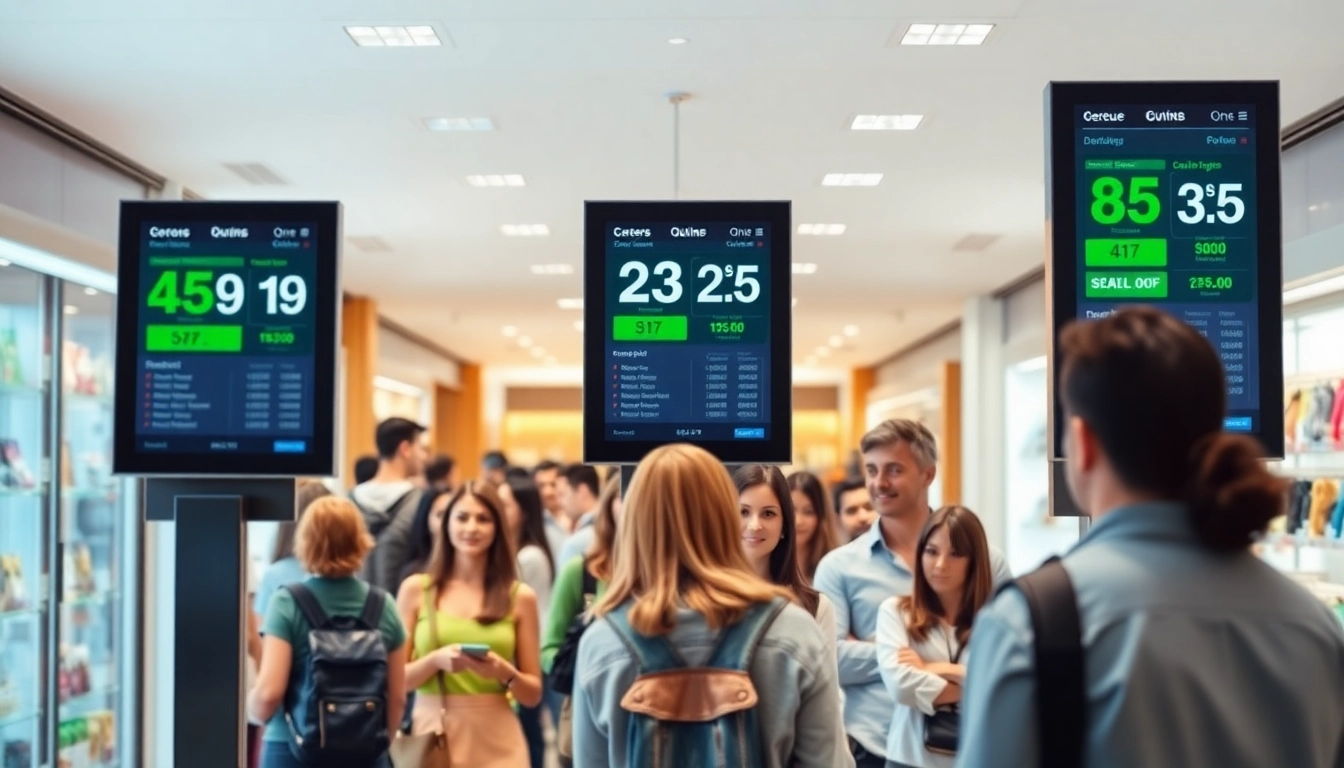
As customer experience becomes increasingly central to business success, the need for innovative solutions has risen dramatically. One of these solutions is queue detection software, which harnesses technology to streamline customer flow in various environments. This software is instrumental in enhancing efficiency, optimizing service delivery, and significantly improving user satisfaction by managing queues effectively.
What Is Queue Detection Software?
Queue detection software refers to systems designed to monitor, analyze, and manage queues in real time. This software often employs advanced technologies like artificial intelligence and machine learning, along with video surveillance and sensor integration, to detect and analyze customer behavior, enabling businesses to tailor their operations accordingly. By capturing metrics such as queue length, wait times, and customer flow patterns, organizations can make data-driven decisions aimed at optimizing user experience.
How Does It Work?
Queue detection systems typically operate by utilizing various technologies that gather data from their environments. These can include:
- Video Analytics: Cameras installed in queue areas analyze video feeds to determine queue lengths and waiting times using algorithms that recognize human movement.
- Infrared Sensors: These detect the presence of individuals in line, providing accurate measurements that inform management systems of real-time queue metrics.
- Integration with Existing Systems: Most queue detection software can integrate with other business systems for customer relationship management and resource planning, allowing for smarter operational strategies.
Key Benefits for Businesses
Implementing queue detection software holds numerous benefits for various sectors:
- Reduced Wait Times: By predicting busy periods and managing customer flow efficiently, businesses can minimize wait times, enhancing customer satisfaction.
- Improved Staff Allocation: Data insights allow managers to allocate staff more effectively during peak times, ensuring that service demand is met appropriately.
- Enhanced Customer Experience: An optimized queuing system leads to a smoother, more enjoyable experience for customers, encouraging brand loyalty.
- Increased Revenue: By optimizing operational efficiencies, businesses can serve more customers within the same timeframe, ultimately increasing potential revenue streams.
Types of Queue Detection Technologies
Camera-Based Detection
Camera-based detection is among the most common methods for queue monitoring. Through the deployment of surveillance cameras equipped with specialized software, this technology can analyze the flow of people in real time. Algorithms process the video feed to identify the number of individuals waiting in line, detect waiting times, and recognize patterns of movement. The insights generated facilitate timely decision-making, allowing businesses to react to congestion swiftly.
Radar and Lidar Systems
Radar and Lidar systems provide another robust means of detecting queues and managing customer flow. These technologies utilize electromagnetic waves and laser beams to gauge the distance and speed of moving targets, respectively. This data can be used to count vehicles in traffic situations or individuals in crowded areas, providing actionable insights critical for managing both vehicular and pedestrian flow effectively.
Hybrid Solutions
Hybrid solutions combine multiple detection methodologies—such as camera systems paired with radar or Lidar—to enhance accuracy and reliability. By leveraging the strengths of different technologies, these systems can provide comprehensive queue management options that are flexible and scalable according to the unique demands of various environments.
Implementing Queue Detection Software
Choosing the Right System
The initial step in implementing queue detection software is selecting a system that aligns with your business needs. Consider factors such as:
- Environment: Different settings may require tailored solutions. Retail environments may benefit from camera-based systems, while traffic monitoring could benefit from radar solutions.
- Budget: Address how much your organization is willing to invest in queue detection technology, balancing costs with expected ROI.
- Scalability: Opt for a system that can grow with your business and adapt to increased volume over time.
Integration with Existing Systems
A pivotal component of successful implementation involves the seamless integration of queue detection software with existing systems, such as customer relationship management (CRM) platforms or point-of-sale (POS) systems. This connectivity ensures comprehensive data exchange, allowing for more informed decision-making and operational management.
Best Practices for Implementation
To ensure successful deployment of queue detection software, consider these best practices:
- Conduct a Needs Assessment: Evaluate the specific needs and challenges of your business to define clear objectives for the software.
- Staff Training: Equip your employees with the necessary knowledge to effectively utilize the new technology, aiming to maximize its potential benefits.
- Continuous Monitoring: Post-implementation, regularly review the system’s efficacy, making adjustments based on performance metrics and customer feedback.
Case Studies and Success Stories
Retail Success with Queue Detection
Many retailers have achieved remarkable success through the implementation of queue detection software. For example, a prominent supermarket chain implemented such technology across its check-out areas. The result was a significant decrease in average customer wait times, leading to a notable increase in customer satisfaction and repeat business.
Enhancing Traffic Management
In another example, a city adopted radar-based queue detection technology on major highways to monitor traffic flow. The system provided real-time data, allowing traffic managers to adjust signal timings effectively. This approach led to improved travel times and reduced congestion during peak hours.
Improving Service Efficiency
A hospital utilizing queue detection software in its emergency department was able to analyze patient arrival patterns and optimize staff deployment, significantly improving service efficiency. Consequently, patients experienced shorter wait times and enhanced care quality, positively influencing patient retention and satisfaction rates.
Future Trends in Queue Detection
AI and Machine Learning Integration
The future of queue detection software will increasingly revolve around the integration of AI and machine learning. These technologies enable systems not only to understand past patterns but also to predict future queue behavior based on various factors, including seasonal trends and customer behavior insights. As AI technology evolves, we can expect a further increased ability to manage queues dynamically in real time.
Increasing Demand Across Industries
As the demand for enhanced customer experiences grows across sectors, the implementation of queue detection software will likely proliferate. Industries ranging from retail to healthcare and entertainment are recognizing its value in streamlining operations and enhancing customer satisfaction. With technological advancements, such applications will become crucial in maintaining competitiveness.
Future Innovations and Expectations
Innovation will undoubtedly shape the evolution of queue detection software. Emerging technologies such as augmented reality (AR) could be integrated to provide a more interactive customer experience. Furthermore, improvements in processing capabilities will likely lead to even more sophisticated analytics and predictive insights, driving efficiency and enhancing customer experiences.
Frequently Asked Questions
What is queue detection software?
Queue detection software is a technology solution that monitors and manages queues in real time, improving customer flow and optimizing service delivery.
How does queue detection software benefit businesses?
Such software enhances customer experiences by reducing wait times, improves staff allocation, and ultimately increases operational efficiency and revenue.
What types of technologies are used in queue detection?
Common technologies include camera-based detection, radar and Lidar systems, and hybrid solutions that integrate various methodologies for accurate monitoring.
How can a business choose the right queue detection system?
Choosing the right system involves assessing business needs, budget considerations, and potential for scalability in line with growth plans.
What are the future trends in queue detection technology?
Expect increased integration of AI and machine learning, growing demand in various industries, and innovative technologies such as augmented reality for enhanced customer interactions.