Understanding Gold Prices in Bahrain
Gold has long been a symbol of wealth and a trusted medium of exchange across cultures. In Bahrain, where the gold market is vibrant and integral to the economy, understanding gold prices is essential for both buyers and investors. With daily fluctuations influenced by global markets, currency exchange rates, and local demand, keeping track of the current prices and trends is crucial. When exploring options, mantra88 provides comprehensive insights into these market dynamics.
What Determines Gold Prices?
The price of gold is governed by several factors, including supply and demand, market speculation, and macroeconomic indicators such as inflation rates and currency values. Central banks play a significant role in influencing gold prices by adjusting interest rates and holding large reserves of gold as an economic buffer. Furthermore, geopolitical tensions can drive investors towards gold as a safe-haven asset, further amplifying its demand and subsequently affecting its price.
Daily Fluctuations in Gold Rates
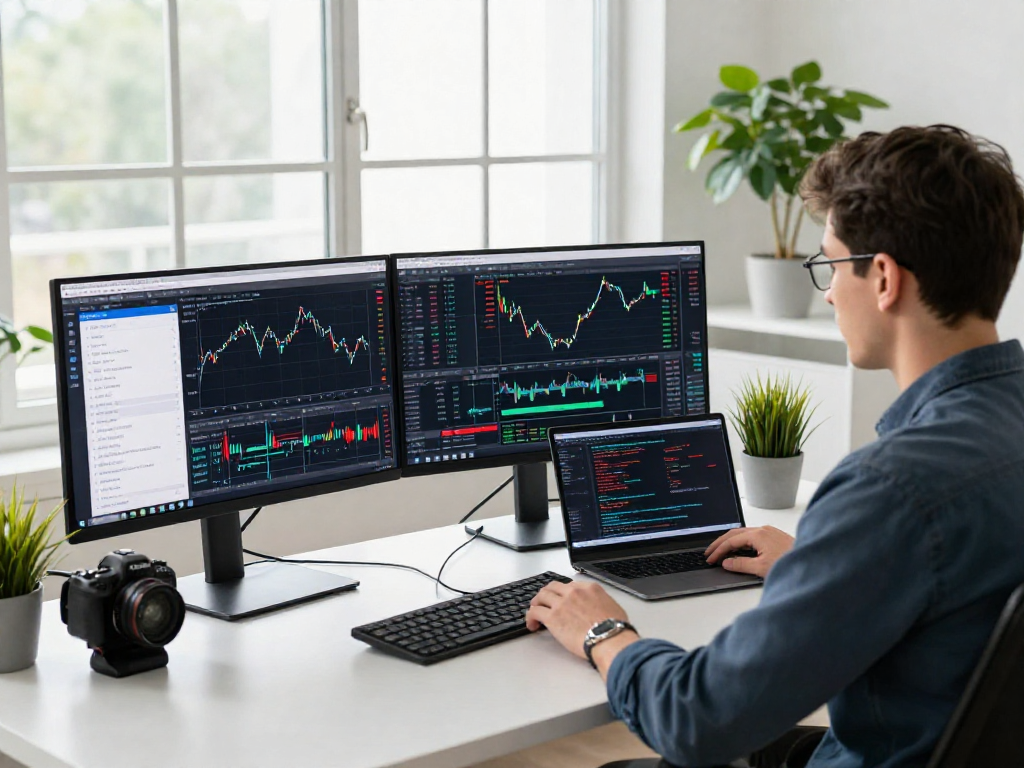
In Bahrain, gold prices are subject to daily fluctuations due to the interdependence of local and international markets. Investors need to monitor these changes closely, as they can be influenced by factors such as world gold demand, mining output, and shifts in investor sentiment. The local market also reacts to changes in the international spot price of gold, which is the price for immediate delivery and based on the current market demand.
Impact of USD/BHD Exchange Rates
The Bahraini Dinar (BHD) is pegged to the US Dollar (USD), meaning that fluctuations in the USD/BHD exchange rate can impact gold prices in Bahrain. A stronger dollar can lead to higher local gold prices if the demand in global markets decreases. Conversely, if the dollar weakens, gold prices may rise as investors flock to gold to hedge against inflation and currency devaluation.
Buying and Selling Gold Jewelry
The process of buying and selling gold jewelry in Bahrain is not only about the aesthetic value but also about understanding its market worth. Knowing how to accurately assess the value of your jewelry is essential to secure the best price during transactions.
How to Accurately Assess Jewelry Value
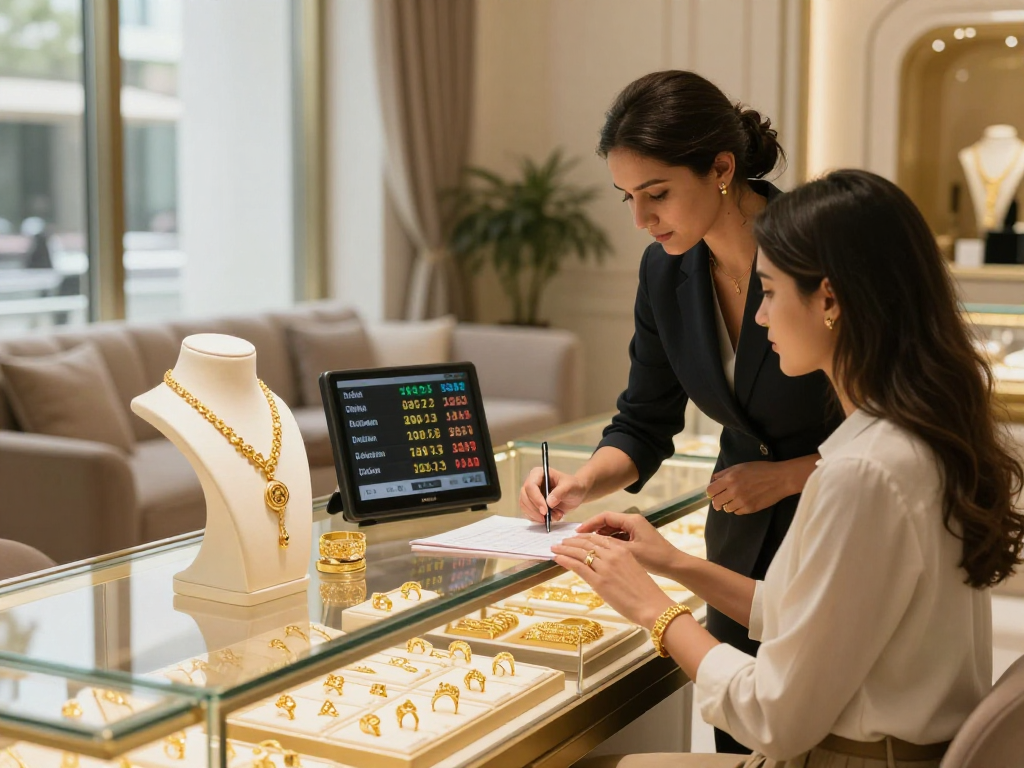
To determine the value of gold jewelry, one must consider several factors, including weight, purity, and market demand. The value of gold is primarily based on its purity, measured in karats (K). For example, 24K gold is considered pure gold, while 22K, 18K, and 14K gold contain varying amounts of alloyed metals. Weighing the jewelry and calculating its gold content is crucial; often, jewelers will provide accurate assessments using specialized tools.
Evaluating Purity: 24K vs. 22K vs. 18K
The purity of gold significantly affects its market value. Here's a quick breakdown:
- 24K Gold: 99.9% pure, typically used for investment purposes.
- 22K Gold: 91.6% pure, often used for high-quality jewelry.
- 18K Gold: 75% pure, commonly found in jewelry, offering a good balance between purity and durability.
When evaluating gold jewelry, it is essential to understand these differences to negotiate effectively when buying or selling.
Safe Selling Practices for Gold Jewelry
When selling gold jewelry, safety should be a priority. Ensure that you only transact with reputable dealers, check for proper documentation, and avoid making deals in non-secure locations. Keep all certificates and receipts handy, as these can help in establishing the authenticity and value of the jewelry.
Gold Investment Strategies
Investing in gold can be a strategic move for wealth preservation and growth. However, potential investors must navigate various strategies to optimize their returns while managing risks effectively.
Long-term vs. Short-term Gold Investments
Investors typically adopt either long-term or short-term strategies when dealing with gold. Long-term investments are often aimed at wealth preservation, benefiting from market appreciation over time. In contrast, short-term trading focuses on capitalizing on price volatility for quick profits. Each approach has its own risks and potential rewards, and understanding the market dynamics is essential for success.
Diversifying Your Gold Portfolio
Diversification is a key principle in investment strategy. For gold, this can mean holding a mix of physical gold (like coins and bars), gold ETFs (exchange-traded funds), and mining stocks. Such diversification can mitigate risks associated with market fluctuations and provide multiple streams of potential income.
Market Insights for 2026
As we look into 2026, several factors will be pivotal in shaping the gold market, including economic trends, inflation expectations, and geopolitical developments. Investors should remain informed about global economic conditions and policy changes that could influence gold prices, allowing them to make informed investment decisions in this evolving landscape.
Utilizing Gold Calculators Effectively
Gold calculators are valuable tools for both buyers and sellers. They help assess the value of gold based on current market prices, weight, and purity, allowing for better-informed transactions.
How to Use an Online Gold Calculator
Using an online gold calculator is straightforward. By entering the weight of your gold and its purity, you can quickly estimate its market value. This can help set realistic expectations when buying or selling gold and aid in negotiations.
Understanding Pricing Formulas
Gold prices are typically calculated based on the formula: Price per Gram = (Spot Price per Ounce / 31.1035) * Purity Factor. This means that understanding how to calculate the weight and price accurately can significantly affect your bargaining power in transactions.
Maximizing Your Returns with Calculators
To maximize returns, consistently using calculators can aid in tracking price changes over time. This diligence can help you identify the best times to make purchases or sales, leading to more profitable transactions.
FAQs About Gold Transactions
Many potential gold buyers and sellers have similar questions about the process. Below are some frequently asked questions that can provide clarity.
What Should I Know Before Buying Gold?
Before purchasing gold, ensure you understand its market value, the different types of gold available, and the potential risks and benefits associated with your investment. Always purchase from reputable dealers and verify the authenticity of the items you're buying.
How Often Do Gold Prices Change?
Gold prices can change multiple times throughout the day, influenced by market trends, supply and demand, and economic events. Staying informed through reliable sources is essential for timing your transactions effectively.
What is the Best Way to Ensure Transaction Safety?
To ensure transaction safety, only work with established dealers, maintain clear documentation, and preferably conduct transactions in a secure, verified location. Always double-check the authenticity of the gold and request certificates where applicable.
How Can I Verify Gold Authenticity?
Gold authenticity can be verified through various methods, including checking for hallmarks, conducting acid tests, or using electronic testing methods. Engaging with professional appraisers can also provide assurance of authenticity.
What are Buyback Options for Gold Jewelry?
Many jewelers and dealers offer buyback options for gold jewelry, which can be a convenient way to liquidate assets. It’s important to understand the terms of buybacks, including the percentage of the original purchase price you might receive and any associated fees.