Understanding Bed Bugs
What Are Bed Bugs?
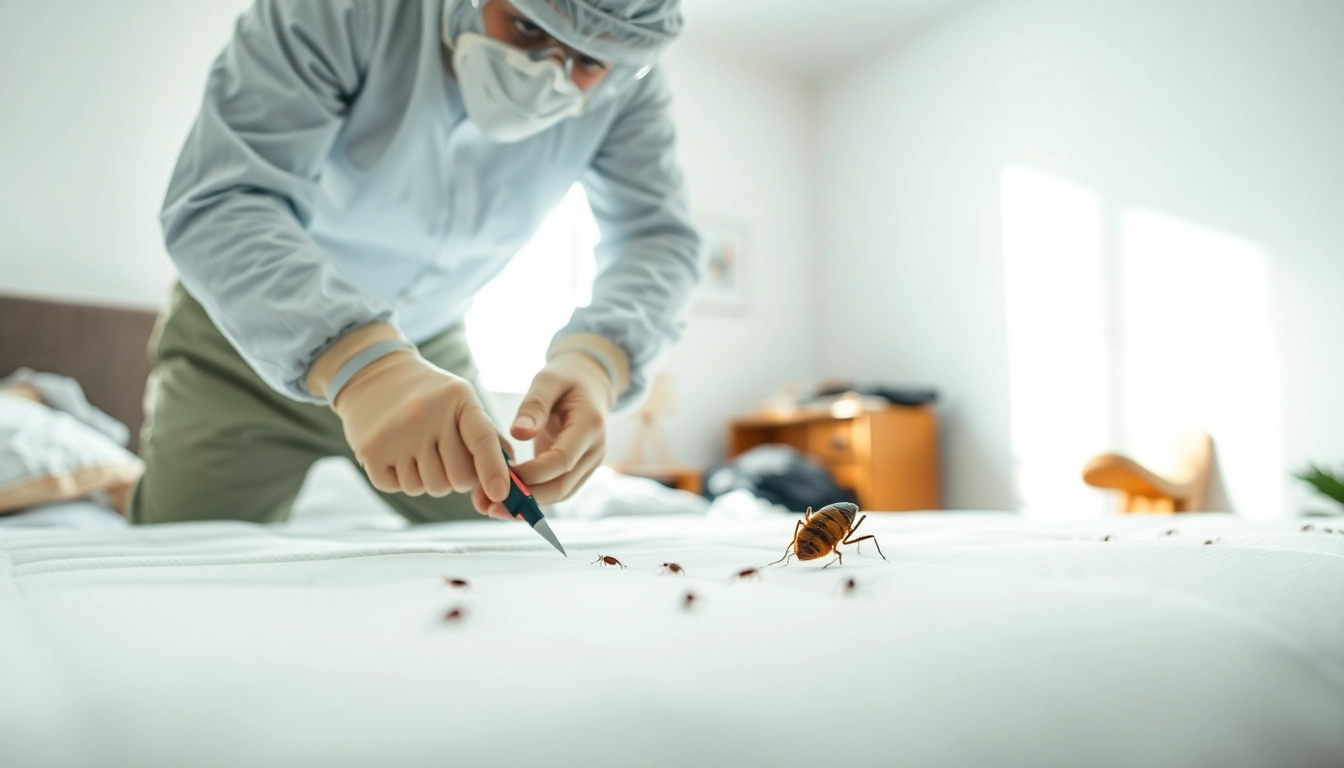
Bed bugs are small, reddish-brown, wingless insects that feed on the blood of humans and animals. They belong to the family Cimicidae and are primarily nocturnal, emerging at night to feed. Adult bed bugs are about the size of an apple seed, making them difficult to spot. Their flat bodies allow for easy hiding in tight spaces, such as mattress seams, bed frames, and furniture crevices. Notably, bed bugs do not transmit diseases, but their bites can lead to physical discomfort and psychological distress.
Signs of Infestation
Recognizing the early signs of a bed bug infestation is crucial for effective control. Look for:
- Blood Stains: Tiny blood spots on bedding or mattress.
- Dark Spots: Fecal matter resembling tiny ink spots on sheets or surrounding areas.
- Eggs and Shells: Tiny white or translucent eggs and shed skins near their hiding spots.
- Unpleasant Odor: A musty scent resulting from pheromones released by bed bugs.
Health Risks Associated With Bed Bugs
While bed bugs do not transmit diseases, their bites can cause various issues. Some individuals may experience allergic reactions, resulting in intense itching, swelling, and inflammation. Scratching the bites can lead to secondary infections. The psychological effects include anxiety, insomnia, and a heightened sense of stress, as paranoia about infestations can persist long after treatment.
Methods of Bed Bug Removal
DIY Bed Bug Removal Techniques
Many homeowners start with bed bug removal attempts on their own. Here are some effective DIY methods:
- Heat Treatment: Bed bugs are sensitive to heat. Washing affected items in hot water and drying them on a high heat setting can kill all life stages.
- Vacuuming: Thorough vacuuming of infested areas, including carpets, furniture, and within cracks and crevices, can help remove bed bugs and their eggs.
- Encasements: Use bed bug-proof encasements on mattresses and box springs to trap existing bugs and prevent new infestations.
- Diatomaceous Earth: This natural powder can be sprinkled in infested areas, causing dehydration and death upon contact with bed bugs.
Professional Bed Bug Removal Services
If DIY methods prove insufficient, hiring professionals may be necessary. Pest control experts utilize various techniques, including:
- Chemical Treatments: Licensed exterminators apply EPA-approved pesticides strategically in infested areas.
- Heat Treatments: Professional heat treatments raise room temperatures to levels lethal for bed bugs, effectively eliminating them.
- Cold Treatments: Freezing infested items can also be an effective method, as exposure to extreme cold can kill bed bugs.
Comparison of Treatment Methods
Comparing the effectiveness, cost, and duration of DIY versus professional services can guide your decision. DIY methods can take weeks to months to achieve full eradication, while professionals offer quicker results, often within days. DIY solutions are more cost-effective, but a severe infestation may require professional help.
Cost of Bed Bug Removal
Factors Influencing the Cost
The cost of bed bug removal can vary significantly based on several factors:
- Extent of Infestation: Heavily infested areas will require more intensive treatment, increasing costs.
- Type of Treatment: Professional chemical treatments tend to be less expensive than heat treatments.
- Region: Prices may vary based on the cost of living in different areas.
Budget-Friendly Options
If you're on a budget, consider starting with DIY techniques to control the infestation. Investing in bed bug encasements, regular vacuuming, and monitoring can mitigate costs while ensuring a comfortable living space. If professional services are needed, seek companies that offer “pay-per-treatment” plans to manage expenses better.
Comparing Provider Prices
When considering professional services for bed bug removal, obtain quotes from various providers. Assess what the service includes—such as the number of treatments, follow-up inspections, and warranties—to find the best value. Generally, the average cost for professional treatments can range widely, often between $1,000 to $2,500 depending on the infestation level.
Preventing Future Infestations
Steps to Avoid Bed Bugs
Preventive measures can save you from a potential bed bug crisis. Follow these strategies:
- Regular Inspections: Check your home regularly for signs of bed bugs, especially after traveling.
- Declutter: Reduce clutter to eliminate places where bed bugs can hide.
- Use Bed Bug Monitors: These traps can help catch bed bugs early before they become a larger issue.
Best Practices for Travelers
Traveling increases the risk of bringing bed bugs home. Implement these precautions:
- Inspect hotel rooms thoroughly, especially around the bed and furniture.
- Keep luggage elevated on luggage racks and avoid placing it on the bed.
- Wash and dry all clothes on high heat upon returning from trips.
Using Bed Bug Monitors
Bed bug monitors are excellent tools for early detection. These devices can be placed under bed legs and in various locations throughout the home to catch bugs before they establish a significant presence. Regular monitoring ensures peace of mind and helps in early interventions.
Frequently Asked Questions about Bed Bug Removal
How long does bed bug removal take?
Bed bug removal timelines vary. DIY methods can take weeks, while professional treatments typically resolve infestations in a few days, with follow-up visits as needed.
Can I remove bed bugs myself?
Yes, DIY methods like heat treatment, vacuuming, and using encasements can effectively reduce bed bug populations. However, severe infestations often require professional help.
What are home remedies for bed bug removal?
Home remedies include vacuuming, washing bedding in hot water, using diatomaceous earth, and encasing mattresses and box springs to trap bed bugs.
Are bed bugs harmful to my health?
Bed bugs are not known to transmit diseases, but their bites can cause allergic reactions and significant emotional distress, leading to sleep disturbances.
How can I prevent bed bugs from returning?
Prevent return infestations by regularly inspecting your home, reducing clutter, employing bed bug monitors, and taking precautions while traveling.