Understanding Equipment Hailing
In the realm of logistics and transportation, equipment hailing is a critical service that ensures the efficient movement of machinery and heavy goods. This process is not merely about transporting items from one location to another; it involves meticulous planning, understanding regulatory compliance, and employing the right vehicles to meet unique hauling needs. As the demand for heavy machinery transportation continues to rise, understanding the fundamentals of equipment hailing becomes essential for businesses across various sectors.
What is Equipment Hailing?
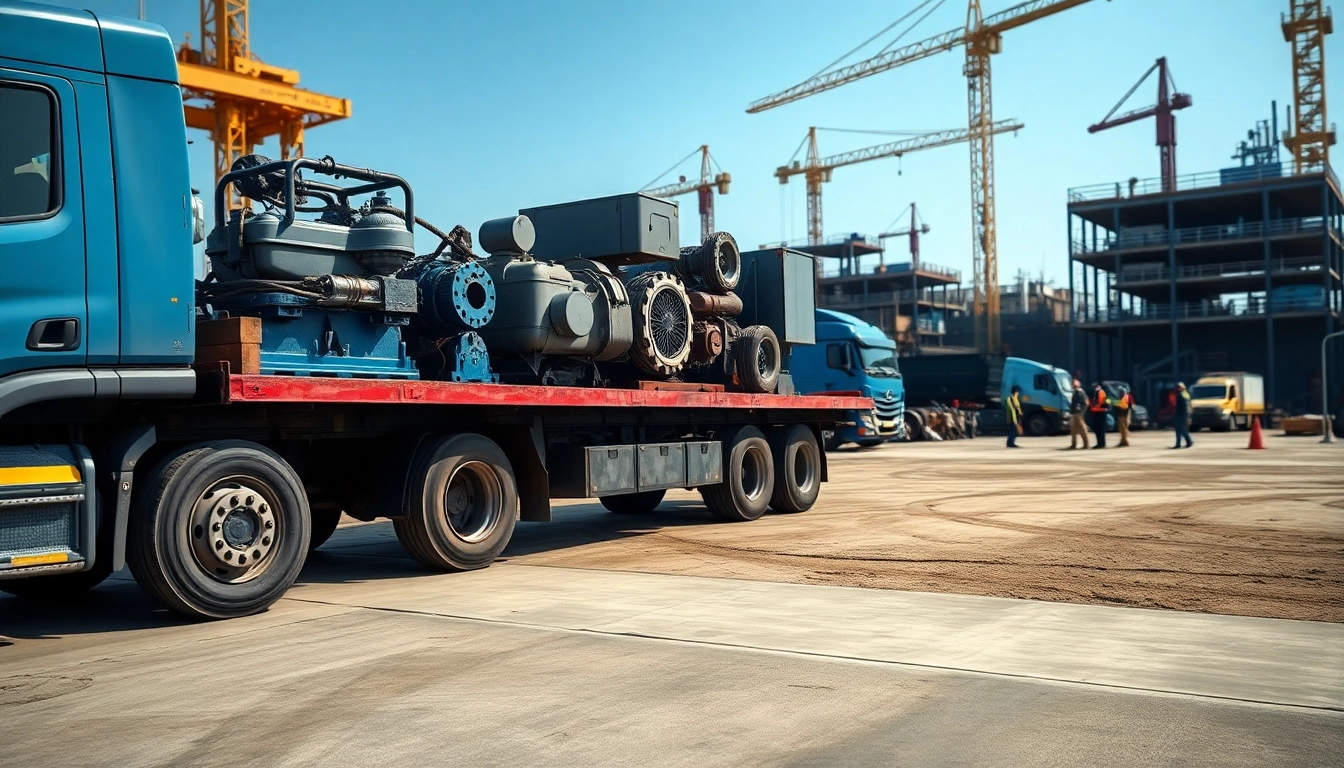
Equipment hailing refers to the logistics process of calling for and transporting heavy machinery, construction equipment, and other large items. It encompasses an array of activities, including: planning routes, choosing appropriate equipment for transit, and ensuring the loads are secured and compliant with transportation regulations. Whether it involves shipping excavators, cranes, or agricultural machinery, equipment hailing is a specialized field requiring expertise and precision.
Key Benefits of Equipment Hailing
The benefits of utilizing equipment hailing services are manifold:
- Expertise: Companies specializing in equipment hailing possess the necessary knowledge and skills to handle complex logistics efficiently.
- Safety: With trained professionals, the risk of accidents or damage during transport is significantly reduced.
- Time-Efficiency: Experienced haulers know how to optimize routes and schedules, ensuring that equipment reaches its destination on time.
- Cost-Effectiveness: By leveraging existing networks and resources, companies can save money compared to managing transport in-house.
Common Types of Equipment Hailed
Equipment hailing services are diverse, covering numerous industries. Some common types of equipment hailed include:
- Construction machinery like bulldozers and dump trucks.
- Agricultural equipment such as tractors and harvesters.
- Industrial machinery used in manufacturing and production.
- Specialty vehicles such as cranes and aerial lifts.
Factors Influencing Equipment Hailing Costs
The cost of equipment hailing can vary significantly based on several factors. Understanding these can help businesses budget effectively for their transportation needs.
Distance and Route Considerations
The distance to be traveled is the primary determinant of cost. Longer distances typically incur higher charges, particularly if they traverse diverse terrains or require special permits. Additionally, factors such as toll roads, traffic patterns, and weather conditions can affect the route chosen and, consequently, the overall expense.
Type of Equipment Being Transported
The nature of the equipment itself can greatly influence transport costs. Heavier and oversized loads often require specialized trailers, which can be more expensive. For instance, transporting a crane not only necessitates a specifically rated truck but may also involve additional safety measures and permits, driving up costs.
Insurance and Licensing Requirements
Insurance plays a significant role in the cost structure of equipment hailing. Haulers must carry specific insurances that comply with regulations, which can add to the overall transport cost. Additionally, obtaining the necessary licenses for transporting certain types of equipment can also influence pricing.
Best Practices for Equipment Hailing
Choosing the Right Transport Vehicle
Selecting the appropriate vehicle for the job is critical. Factors such as the size and weight of the equipment, the terrain of the route, and any regulatory requirements must be considered. Utilizing the right truck or trailer enhances safety and compliance while reducing the risk of delays or damages.
Securing Equipment for Safe Travel
Properly securing equipment is paramount to prevent damage during transit. This involves using appropriate tie-down methods, pads, and securing points on both the equipment and the transport vehicle. Loose loads can lead to accidents, so checking and double-checking these setups is vital.
Scheduling and Timing for Hailing
Effective planning around timing can lead to significant savings and efficiency. Understanding seasonal peaks in demand, potential delays, and road conditions can help schedule transport during optimal periods, thereby reducing costs and ensuring timely arrival.
Regulations and Legal Considerations
Navigating the regulations governing equipment hailing is essential for compliance and safety. These regulations can vary significantly based on the type of equipment and where it is being transported.
Essential Licensing for Equipment Hailing
Companies must ensure their drivers possess the necessary commercial driving licenses (CDLs) required for hauling oversized and heavy equipment. Additionally, certain states may have specific regulations that require permits for transporting large loads, adding another layer of complexity.
Local, State, and Federal Regulations
Transporting equipment often requires compliance with local, state, and federal regulations, which may include weight restrictions, road use taxes, and notifying local authorities about oversized loads. Non-compliance can lead to fines and delays, making it essential to stay informed of current laws.
Insurance and Liability Issues
Insurance is crucial, not only for protecting the transported equipment but also for mitigating liability in case of accidents during transport. Ensure that adequate insurance policies are in place that cover both the equipment being transported and any potential damages to third-party property.
FAQs About Equipment Hailing
How Much Does Equipment Hailing Cost?
Costs vary based on distance, equipment type, and necessary permits. Short local transports range from $150 to $500 while cross-country hauls can exceed $2,000.
What Types of Equipment Can Be Hauled?
A wide array from construction machinery like bulldozers to agricultural equipment and industrial machinery can be hauled, depending on requirements.
How Do I Prepare Equipment for Transport?
Ensure all equipment is clean, functioning, and securely fastened. Remove any loose parts or attachments that could be damaged or cause hazards during transit.
What Regulations Should I Be Aware Of?
Be familiar with local, state, and federal transportation regulations, including weight limits and necessary permits for oversized loads.
How Long Does Equipment Hailing Take?
The duration of hailing can vary widely depending on distance, route conditions, and type of equipment, ranging from a few hours to several days.
Contact Information
Call Us: 4062607988Address: 3906 MT-40, Columbia Falls, MT 59912